
Articles & Insights
Explore the latest research, reading tips, and deep dives into visual learning methodology.
Latest Articles
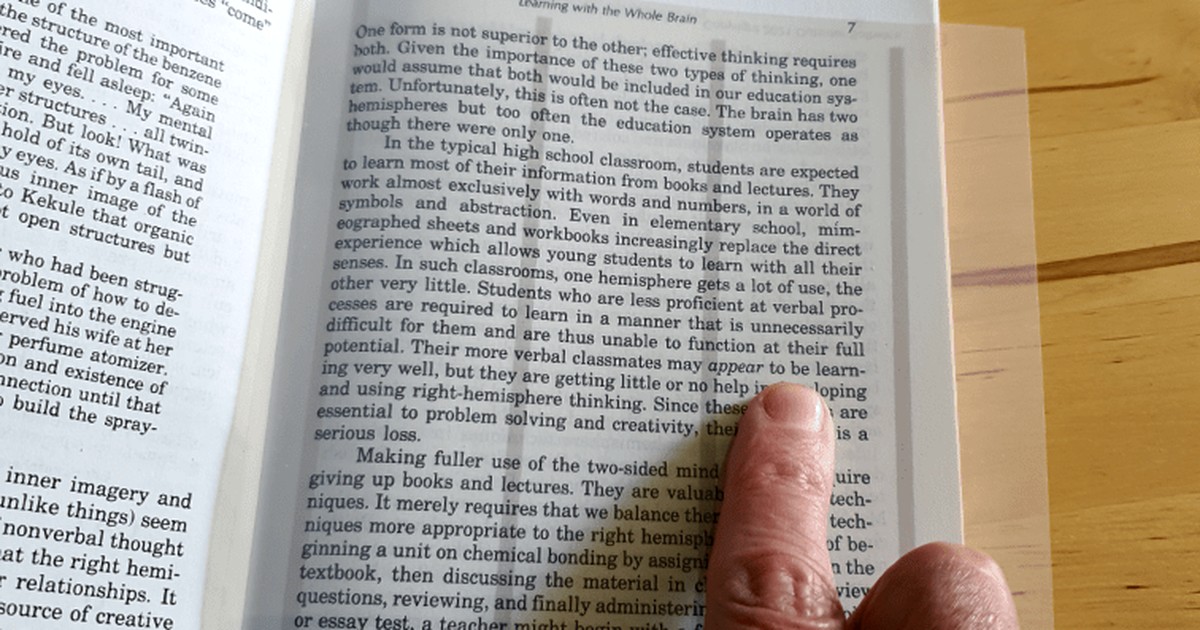
Overcoming Dyslexia with Visual Learning Techniques
Learn how Visual Reading specifically helps individuals with dyslexia, dyspraxia, and other learning differences.

The Bagatelle Model of Specific Learning Differences
In the Bagatelle model, the ‘difficulties’ are a product of being disabled by a sequential world intolerant to holistic processing of information and the unnecessary imposition of sequential processing and learning strategies. The ‘difficulties’ are not the ‘difference’, they are an unnecessary consequence of the difference.

Why Dyslexia is NOT a Reading Disability
Sir Rose agreed with me, in a meeting in 2010, that restricting the teaching of reading through systematic synthetic phonics is pointless with adults, because they already employ a wide range of other (and more holistic) strategies which cannot be eliminated. I remain puzzled why he did not also recognise that children do too.

How Science Can Become Unscientific, and Why the ‘Science of Reading’ is No Exception
. To understand how unscientific a methodology is, we need to expose the assumptions that lie beneath the science.

Proud Dyslexic, But Ashamed ADHDer? Chasing squirrels in neurodiversity.
In fact the more I write these things down, the more horrifying it feels!
Case Study 1
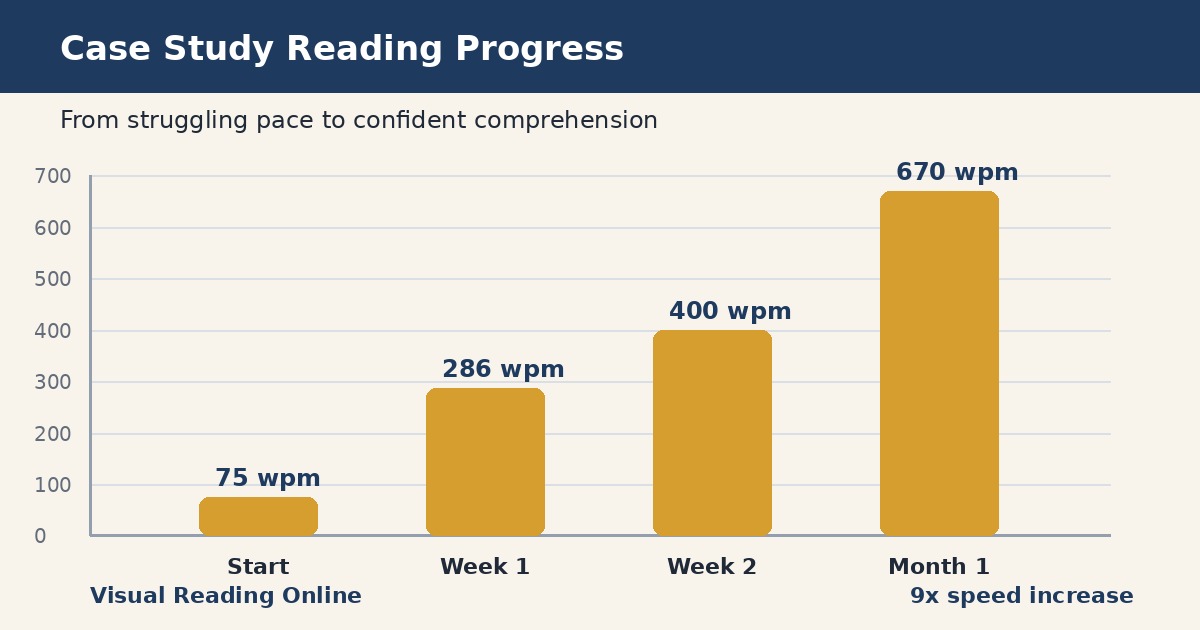
After using the overlays for one week, F improved from 75 wpm {slower than 98% of postgraduates) to 286 wpm (faster than 98% of postgraduates). It was also evident that with previewing and reviewing, her comprehension and recall was effective. After 2 weeks, she was reading at 400 wpm (faster than 99.9% of postgraduates) with excellent comprehension and recall. And after just one month, she is now reading at 670 wpm with excellent comprehension and recall.

The Impact of Visual Reading Through the Disabled Students Allowance (DSA).
“At the first appointment, I could not stop crying. As I told my peers about the experience, I cried some more. Having the feeling of comprehension is not something I can describe easily. The closest to it was a comment from a lady with 40 years of experience in mental health telling me that I reminded her of a child who can hear for the first time.” (47 year old psychotherapy student now reading at 430 wpm).